
Ready to Start Your Detox Journey?
Join our seasonal detox program. Three times a year, two weeks each — that's all it takes to reset your body and feel amazing.
Deze website is gemaakt door Mijndomein

Why eat it:
Pumpkin is rich in vitamin A, fiber, and antioxidants that support immune health, vision, and digestion.

Why limit them:
Many ready-made foods contain preservatives, additives, and hidden sugars.
What minimizing them may do:
Eating fewer processed foods encourages whole foods and supports overall health.
Minimize ready-made products (without E numbers and preservatives)
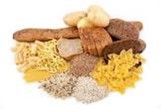
Why avoid it:
Refined starches can quickly raise blood sugar levels.
What avoiding it may do:
Removing them may help stabilize blood sugar and energy levels.

Why avoid it:
Most bread contains gluten and refined flour.
What avoiding it may do:
Avoiding it may help reduce bloating and support digestive health.

Why avoid it:
Vinegar can irritate the digestive system for some individuals.
What avoiding it may do:
A temporary break may help calm the digestive tract.
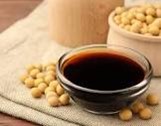
Why avoid it:
Soy sauce contains soy and often high amounts of sodium, which may trigger sensitivities.
What avoiding it may do:
Avoiding it may help reduce sodium intake and identify soy sensitivities.

Why avoid it:
Refined sugar can contribute to inflammation, blood sugar spikes, and energy crashes.
What avoiding it may do:
Removing sugar for two weeks may improve energy stability and reduce cravings.

Why avoid it:
Syrups are highly concentrated sources of sugar.
What avoiding it may do:
Avoiding them may help stabilize blood sugar and reduce cravings.

Why avoid it:
Cocoa contains stimulating compounds similar to caffeine that may affect sensitive individuals.
What avoiding it may do:
Avoiding it may help reduce stimulation and support nervous system balance.

Why avoid them:
Pastries often contain refined flour, sugar, and unhealthy fats.
What avoiding them may do:
Removing them may help reduce inflammation and support balanced energy levels.

Why avoid them:
Cookies are typically high in refined sugar and processed flour.
What avoiding them may do:
Avoiding them may support stable energy levels and reduce sugar cravings.

Why avoid it:
Ice cream often contains dairy, sugar, and additives that may contribute to inflammation and digestive discomfort.
What avoiding it may do:
Removing it may support better digestion and reduce sugar intake.

Why avoid it:
Honey contains concentrated natural sugars that can raise blood sugar levels.
What avoiding it may do:
Avoiding it may help stabilize blood sugar and reduce sugar cravings.

Why avoid it:
Yeast may cause digestive discomfort or sensitivities in some people.What avoiding it may do:
A break may help support gut balance and reduce bloating.

Why avoid them:
Artificial sweeteners can disrupt gut bacteria and increase cravings for sweet foods.
What avoiding them may do:
Removing them may help reset taste preferences and reduce sugar cravings.

Why eat them:
Lentil crackers provide plant protein and fiber, which help support digestion and maintain steady energy levels.

Why eat it:
Garlic powder contains beneficial compounds that support immune function and heart health.
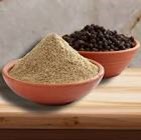
Why eat it:
Black pepper contains piperine, which can support digestion and improve the absorption of certain nutrients.
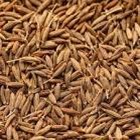
Why eat it:
Cumin contains antioxidants and compounds that support digestion and metabolism.
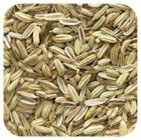
Why eat it:
Fennel supports digestion and may help reduce bloating due to its natural digestive compounds.

Why eat it:
Natural vanilla contains antioxidants and adds flavor to foods without needing added sugar.

Why eat it:
Gelatin provides amino acids that support gut health, joint health, and skin elasticity.

Why eat it:
Ginger supports digestion, helps reduce nausea, and has natural anti-inflammatory properties.
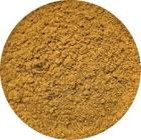
Why eat it:
Curry spices such as turmeric and coriander contain antioxidants and anti-inflammatory compounds that support overall health.

Why eat it:
Mustard contains antioxidants and natural compounds that may support digestion and add flavor without adding sugar.

Why eat it:
Mayonnaise made with quality oils provides healthy fats that support energy levels and help the body absorb fat-soluble vitamins.

Why avoid them:
Fruit juices contain concentrated natural sugars and little fiber.
What avoiding them may do:
Removing them may help stabilize blood sugar and reduce sugar cravings.
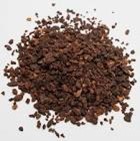
Why avoid it:
Chicory can stimulate digestion strongly and may cause bloating in some individuals.
What avoiding it may do:
Avoiding it may help calm the digestive system during a reset phase.

Why avoid it:
Green tea contains caffeine and stimulating compounds.
What avoiding it may do:
Avoiding it may help reduce stimulation and support better sleep and nervous system balance.

Why avoid it:
Mushroom products can cause sensitivities or digestive reactions in some people.
What avoiding it may do:
A temporary break may help identify whether mushrooms affect your system.
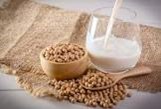
Why avoid it:
Soy milk may trigger sensitivities or hormonal effects in some individuals.
What avoiding it may do:
Avoiding it may help determine whether soy contributes to digestive or hormonal symptoms.
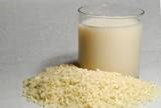
Why avoid it:
Rice milk is high in carbohydrates and may quickly raise blood sugar levels.
What avoiding it may do:
Removing it may support better blood sugar balance.
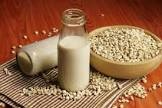
Why avoid it:
Millet milk may contribute to digestive sensitivities for some people.What avoiding it may do:
Avoiding it temporarily may help reset digestion
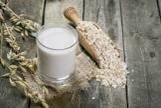
Why avoid it:
Oat milk can contain gluten traces and may cause digestive discomfort in sensitive individuals.
What avoiding it may do:
Removing it may help identify sensitivities and support digestive balance.

Why avoid it:
Corn milk may contribute to blood sugar spikes and can cause sensitivities for some people.
What avoiding it may do:
Avoiding it may help support stable blood sugar and digestion.

Why avoid it:
Coffee contains caffeine, which can stimulate stress hormones and affect sleep.
What avoiding it may do:
A break from coffee may help improve sleep, reduce anxiety, and reset natural energy rhythms.

Why avoid them:
Soft drinks are often high in sugar or artificial sweeteners and provide little nutritional value.
What avoiding them may do:
Removing them may help stabilize blood sugar and reduce sugar cravings.

Why avoid it:
Alcohol can disrupt sleep, strain the liver, and contribute to inflammation.
What avoiding it may do:
Avoiding alcohol for two weeks may improve sleep quality, energy levels, and liver function.

Why drink it:
Decaf coffee allows you to enjoy the taste of coffee while avoiding most of the stimulating effects of caffeine.

Why drink it:
Caffeine-free teas hydrate the body and provide antioxidants without stimulating the nervous system.

Why drink it:
Herbal teas support hydration and can aid digestion, relaxation, and overall wellness depending on the herbs used.
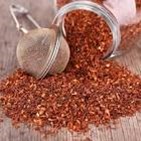
Why drink it:
Rooibos tea is naturally caffeine-free and rich in antioxidants. It supports hydration and may help reduce inflammation.

Why drink it:
Hazelnut milk contains healthy fats and antioxidants that support heart health and overall wellbeing.
Why drink it:
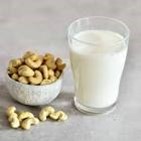
Cashew milk provides healthy fats and minerals such as magnesium, which supports muscle and nerve function.

Why drink it:
Pine nut milk contains healthy fats and nutrients that support heart health and help maintain steady energy levels.
Why drink it:
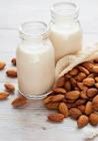
Almond milk is low in calories and provides healthy fats and vitamin E, which supports skin health and antioxidant protection.
Why drink it:
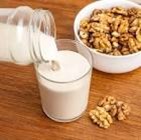
Walnut milk contains healthy omega-3 fatty acids and antioxidants that support heart and brain health.

Why drink it:
Coconut milk contains healthy fats that provide energy and support brain function. It can also be a good dairy-free alternative for people sensitive to lactose.

Why drink it:
Mineral water hydrates the body and provides essential minerals such as magnesium and calcium. Proper hydration supports digestion, energy levels, and overall body function.

Why avoid it:
Yoghurt contains lactose and milk proteins that can cause issues for people sensitive to dairy.
What avoiding it may do:
Avoiding it temporarily may improve digestion and help identify dairy intolerance.

Why avoid it:
Although fermented, kefir is still a dairy product and may trigger sensitivities in some people.
What avoiding it may do:
A two-week break may help determine if dairy affects digestion or inflammation.

Why avoid it:
Cream is high in dairy fat and contains lactose and milk proteins that can cause digestive discomfort.
What avoiding it may do:
Avoiding it may reduce bloating and support a digestive reset.

Why avoid it:
Some margarines contain processed fats and additives that may contribute to inflammation.
What avoiding it may do:
Removing it may encourage healthier fat choices and support better metabolic health.

Why avoid it:
Goat cheese still contains dairy proteins that can cause sensitivities or digestive discomfort.
What avoiding it may do:
Avoiding it temporarily may help identify dairy-related symptoms.

Why avoid it:
Cheese can be high in saturated fat and may contain lactose or casein, which can be difficult for some people to digest.
What avoiding it may do:
Removing cheese may help reduce digestive issues, congestion, or skin problems in sensitive individuals.

Why avoid it:
Butter is a dairy product that contains milk proteins and saturated fat that may trigger inflammation or digestive discomfort in some people.
What avoiding it may do:
A temporary break may reduce bloating and support better digestion.

Why avoid it:
Although sometimes easier to digest than cow’s milk, goat’s milk still contains lactose and milk proteins that can trigger sensitivities.
What avoiding it may do:
Avoiding it may reduce digestive discomfort and help determine whether dairy contributes to symptoms.

Why avoid them:
Dairy may cause digestive issues, inflammation, or mucus production in people who are sensitive to lactose or milk proteins.
What avoiding them may do:
Taking a two-week break may improve digestion, reduce bloating, and help identify dairy sensitivity.

Why eat it:
Sesame oil provides healthy fats and antioxidants such as sesamol and sesamin, which may support heart health and help reduce inflammation.

Why eat it:
Pumpkin seed oil contains healthy fats, antioxidants, and nutrients that may support heart health, skin health, and prostate health.

Why eat it:
Olive oil is rich in monounsaturated fats and antioxidants. It supports heart health, helps reduce inflammation, and is a key component of a healthy Mediterranean-style diet.

Why eat them:
Many vegetable oils contain healthy unsaturated fats that support heart health, provide energy, and help the body absorb fat-soluble vitamins such as vitamins A, D, E, and K.

Why avoid it:
Semolina is made from wheat and contains gluten.
What avoiding it may do:
Avoiding it may help reduce digestive symptoms associated with gluten.

Why avoid it:
Tofu is made from soy, which may trigger sensitivities.
What avoiding it may do:
A temporary break may help determine whether soy affects digestion or hormones.
Why avoid it:
Barley contains gluten and may contribute to digestive discomfort.
What avoiding it may do:
Avoiding it may support digestive health.
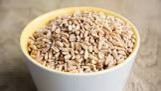
Why avoid it:
Spelt is a form of wheat and contains gluten.
What avoiding it may do:
Removing it may help reduce symptoms related to gluten sensitivity.
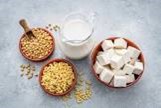
Why avoid it:
Soy may trigger allergies or sensitivities and can affect digestion or hormones in some people.
What avoiding it may do:
Avoiding it may help identify soy intolerance.
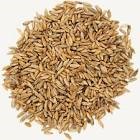
Why avoid it:
Rye contains gluten and may irritate digestion for sensitive individuals.
What avoiding it may do:
Removing it may reduce digestive discomfort.

Why avoid it:
Rice can raise blood sugar levels quickly and may contain small amounts of arsenic.
What avoiding it may do:
Avoiding it may support better blood sugar balance.

Why avoid it:
Wheat contains gluten and is often linked to digestive sensitivity.
What Avoiding it may do:
Removing it may reduce bloating, fatigue, or inflammation.
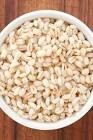
Why avoid it:
Barley contains gluten and may cause inflammation or digestive issues for some people.
What avoiding it may do:
Avoiding it may improve digestion and reduce symptoms related to gluten.

Why avoid them:
Oats contain compounds that may irritate digestion in sensitive individuals.
What avoiding them may do:
Eliminating them temporarily may help calm the digestive system.
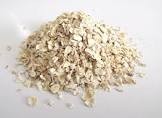
Why avoid them:
Even gluten-free oats may cause digestive issues in some individuals.
What avoiding them may do:
A short break can help determine if oats contribute to symptoms like bloating.
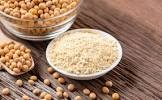
Why avoid it:
Soy flour may trigger sensitivities or digestive discomfort in some people.
What avoiding it may do:
Removing it temporarily can help identify possible soy intolerance.
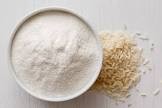
Why avoid it:
Rice flour is refined and can quickly raise blood sugar levels.
What avoiding it may do:
Avoiding it may improve blood sugar balance.

Why avoid it:
Wheat flour contains gluten and is often highly refined.
What avoiding it may do:
Eliminating it may reduce bloating, inflammation, or digestive issues.

Why avoid it:
Corn flour is highly processed and can contribute to blood sugar spikes.
What avoiding it may do:
Avoiding it may help stabilize blood sugar levels.

Why avoid it:
Couscous is made from wheat and contains gluten.
What avoiding it may do:
Removing it may reduce inflammation or digestive discomfort linked to gluten sensitivity.

Why avoid it:
Corn can cause digestive issues or sensitivities for some people and is common in processed foods.
What avoiding it may do:
Taking a break may reduce bloating and help reset digestion.

Why avoid it:
Bulgur contains gluten and may irritate the digestive system in sensitive individuals.
What avoiding it may do:
Removing it can help reduce digestive discomfort and identify gluten sensitivity.

Why eat it:
Chestnuts are lower in fat than most nuts and contain fiber, vitamins, and antioxidants that support heart health and digestion.

Why eat it:
Millet is a gluten-free grain rich in minerals like magnesium and phosphorus that support energy production and digestion.

Why eat it:
Bird cherry flour contains antioxidants and natural compounds that support overall health and provide unique flavor and nutrients.

Why eat it:
Chickpea flour is rich in plant protein and fiber, which support digestion and long-lasting satiety.
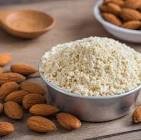
Why eat it:
Almond flour provides healthy fats, protein, and vitamin E, supporting heart health and stable energy levels.

Why eat it:
Coconut flour is high in fiber and low in carbohydrates, which can help support blood sugar balance.
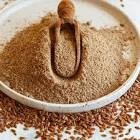
Why eat it:
Flax flour contains omega-3 fatty acids and fiber that support heart health, digestion, and hormone balance.
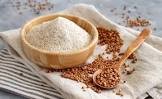
Why eat it:
Buckwheat flour is gluten-free and rich in fiber and antioxidants, supporting heart health and digestion.

Why eat it:
Green banana flour contains resistant starch, which supports gut health and beneficial gut bacteria.

Why eat it:
Amaranth flour is nutrient-dense and gluten-free. It provides protein, fiber, and minerals that support energy and digestion.
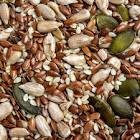
Why eat them:
Seeds such as flax, pumpkin, or sunflower seeds provide healthy fats, fiber, minerals, and antioxidants that support overall health.
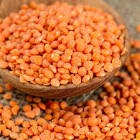
Why eat them:
Lentils are high in plant protein, fiber, and iron. They support digestion, energy levels, and blood sugar balance.
Why eat it:
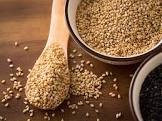
Sesame seeds are rich in calcium, healthy fats, and antioxidants that support bone health and heart health.

Why eat it:
Coconut paste contains healthy fats that provide energy and support brain function and satiety.

Why eat it:
Quinoa is a complete plant protein containing all essential amino acids. It also provides fiber, magnesium, and iron for energy and muscle health.
Why eat it:
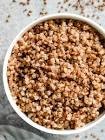
Buckwheat is naturally gluten-free and rich in fiber, minerals, and antioxidants. It supports heart health and helps maintain stable blood sugar levels.

Why eat them:
Peas contain plant protein, fiber, and vitamins such as vitamin C and folate. They support digestion and provide steady energy.
Why eat them:
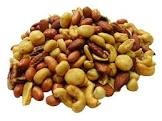
Nuts are rich in healthy fats, protein, fiber, and antioxidants. They support heart health, provide long-lasting energy, and help keep you full.

Why avoid it for two weeks:
Physalis (ground cherry) belongs to the nightshade family and may trigger sensitivities or digestive discomfort in certain individuals.

Why avoid them for two weeks:
Beets are relatively high in natural sugars and oxalates, which may contribute to blood sugar fluctuations or sensitivity in some people.

Why avoid them for two weeks:
Tomatoes are also nightshades and contain compounds that may worsen inflammation or digestive discomfort for sensitive people.

Why avoid them for two weeks:
Bell peppers are nightshades and may aggravate inflammation, digestive issues, or sensitivities in some individuals.

Why avoid them for two weeks:
Chili peppers contain capsaicin and belong to the nightshade family. They can irritate the digestive system or trigger inflammation in some people.

Why avoid it for two weeks:
Carrots contain natural sugars and carbohydrates. Temporarily removing them can help lower overall sugar intake during a reset or elimination phase.

Why avoid it for two weeks:
Some people are sensitive to compounds in mushrooms or to natural molds they may contain, which could affect digestion or immune responses.

Why avoid it for two weeks:
Potatoes are high in starch and are also nightshades. Avoiding them temporarily may help reduce blood sugar spikes and identify possible sensitivities.

Why avoid it for two weeks:
Eggplant is part of the nightshade family, which may trigger inflammation or joint discomfort in sensitive individuals.
Why avoid them for two weeks:
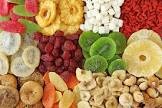
Dried fruits are very concentrated in natural sugars and can easily lead to higher sugar intake. Removing them may help regulate blood sugar and reduce energy spikes and crashes.

Why avoid it for two weeks:
Bananas are relatively high in natural sugars and carbohydrates. Avoiding them temporarily may help stabilize blood sugar levels and reduce sugar cravings.

Why eat it:
Spinach is packed with iron, vitamins, and antioxidants that support energy levels, immune function, and overall health.

Why eat it:
Pumpkin is rich in vitamin A, fiber, and antioxidants that support immune health, vision, and digestion.

Why eat it:
Asparagus is rich in fiber, folate, and antioxidants. It supports digestion, detoxification, and overall health.

Why eat it:
Celery is hydrating and contains fiber, antioxidants, and minerals that support digestion and heart health.

Why eat it:
Radishes contain antioxidants and compounds that support digestion and liver health.

Why eat it:
Rhubarb contains fiber, vitamin K, and antioxidants that support digestion and bone health.

Why eat it:
Cucumbers are high in water and antioxidants, helping with hydration and supporting skin and digestive health.

Why eat it:
Seaweed is rich in iodine, minerals, and antioxidants that support thyroid function and overall health.

Why eat it:
Leeks contain fiber and prebiotics that support healthy gut bacteria and digestion.

Why eat it:
Cooked onions provide antioxidants and compounds that support heart health and digestion.
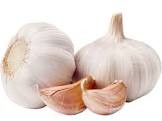
Why eat it:
Cooked garlic contains compounds that support the immune system, heart health, and may help reduce inflammation.

Why eat it:
Cabbage is rich in vitamin C, fiber, and antioxidants. Fermented cabbage like sauerkraut also supports gut health with beneficial bacteria.

Why eat it:
Zucchini is low in calories but rich in vitamins, minerals, and water, which helps hydration and digestion.

Why eat it:
Artichokes are high in fiber and antioxidants and support liver function and healthy digestion.
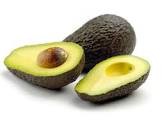
Why eat it:
Avocados contain healthy monounsaturated fats, fiber, and potassium. They support heart health, brain function, and help keep you full longer.

Why eat it:
Sweet potatoes are high in fiber, vitamin A, and antioxidants. They support gut health, vision, and provide steady energy.

Why eat them:
Most fruits are rich in vitamins, antioxidants, and fiber. They support the immune system, help digestion, and provide natural energy.
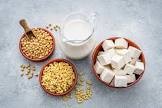
Why avoid it:
Soy can trigger allergies in some people and may affect hormones or digestion for those who are sensitive.
What two weeks without it may do:
Avoiding soy temporarily may help determine if it contributes to digestive, hormonal, or skin-related symptoms.

Why avoid it:
Corn can cause digestive issues or sensitivities for some people and is common in processed foods.
What two weeks without it may do:
Removing corn may reduce bloating or digestive discomfort in sensitive individuals.

Why avoid it:
Rice, especially refined white rice, can raise blood sugar quickly and may contain small amounts of arsenic.
What two weeks without it may do:
Avoiding rice may help stabilize blood sugar and encourage dietary variety.

Why avoid them:
Some people are sensitive to certain compounds in mushrooms, which may cause digestive discomfort.
What two weeks without them may do:
Removing mushrooms temporarily may help identify whether they contribute to digestive or immune-related symptoms.

Why avoid it:
Exposure to mold or mold-contaminated foods may trigger allergic reactions or inflammation in sensitive individuals.
What two weeks without it may do:
Avoiding mold exposure may reduce symptoms like headaches, fatigue, or respiratory irritation in sensitive people.

Why avoid it:
Nicotine is addictive and negatively affects the heart, lungs, and blood vessels.
What two weeks without it may do:
Stopping nicotine for two weeks can improve circulation, lung function, and reduce dependence.

Why avoid it:
Some meats, especially processed or red meats, can contribute to inflammation or digestive heaviness.
What two weeks without it may do:
Taking a break from meat may support digestion and encourage a diet higher in plant-based nutrients and fiber.

Why avoid it:
Caffeine can increase stress hormones, disrupt sleep, and cause anxiety or jitters in some people.
What two weeks without it may do:
Removing caffeine may improve sleep quality, reduce anxiety, and help reset the body’s natural energy rhythms.

Why avoid it:
Alcohol can strain the liver, disrupt sleep, and contribute to inflammation and dehydration.
What two weeks without it may do:
Avoiding alcohol may improve sleep quality, hydration, liver function, and overall energy levels.

Why avoid it:
High sugar intake can contribute to inflammation, blood sugar spikes, and energy crashes.
What two weeks without it may do:
Cutting sugar for two weeks may stabilize energy levels, reduce cravings, and support better metabolic balance.

Why avoid it:
Spicy foods can irritate the digestive tract and worsen symptoms such as acid reflux or stomach discomfort.
What two weeks without it may do:
Removing spicy foods may allow the digestive system to calm down and reduce symptoms like heartburn or irritation.

Why avoid them:
Nightshade vegetables contain compounds that some people believe may worsen inflammation or joint pain.
What two weeks without them may do:
Avoiding them for a short period may help identify whether they contribute to inflammation, joint discomfort, or digestive issues.

Why avoid it:
Dairy can cause digestive problems for people with lactose intolerance or sensitivity to milk proteins.
What two weeks without it may do:
Eliminating dairy temporarily may improve digestion, reduce bloating, and help determine if dairy contributes to symptoms like acne or congestion.

Why avoid it:
Gluten can cause digestive discomfort, bloating, or inflammation in people who are sensitive to it.
What two weeks without it may do:
Avoiding gluten for two weeks may help reduce bloating and digestive issues and can help identify whether gluten sensitivity is present.

Why olives are good for you:
Olives are rich in healthy monounsaturated fats, especially oleic acid, which supports heart health. They also contain antioxidants such as vitamin E and polyphenols, which help reduce inflammation and protect cells from damage. In moderation, olives can be part of a heart-healthy diet, such as the Mediterranean diet.

Why seaweed is good for you:
Seaweed is low in calories and rich in important nutrients such as iodine, iron, calcium, magnesium, and vitamins A, C, E, and K. It also contains antioxidants and fiber, which support digestion and overall health. The natural iodine in seaweed helps maintain proper thyroid function.

Why crustaceans are good for you:
Crustaceans such as shrimp, crab, and lobster are high in lean protein and relatively low in calories. They provide important nutrients like vitamin B12, selenium, iodine, zinc, and omega-3 fatty acids. These nutrients support heart health, brain function, and the immune system.

Why shellfish are good for you:
Shellfish such as shrimp, mussels, oysters, and crab are rich in high-quality protein and low in saturated fat. They provide important nutrients like vitamin B12, zinc, iodine, iron, and selenium. Oysters, in particular, are very high in zinc, which supports the immune system. Many shellfish are also relatively low in calories while being nutrient-dense.

Fish: Why fish is good for you:
Fish is an excellent source of high-quality protein and is rich in omega-3 fatty acids, especially fatty fish like salmon and mackerel. Omega-3s support heart health, brain function, and may reduce inflammation. Fish also provides important nutrients such as vitamin D, iodine, and selenium.

Eggs: Why eggs are good for you:
Eggs are highly nutritious. They are rich in high-quality protein, healthy fats, vitamins (such as B12 and D), and minerals like selenium. They also contain choline, which is important for brain function. For most healthy people, eating eggs in moderation can support muscle growth, satiety, and overall nutrition.